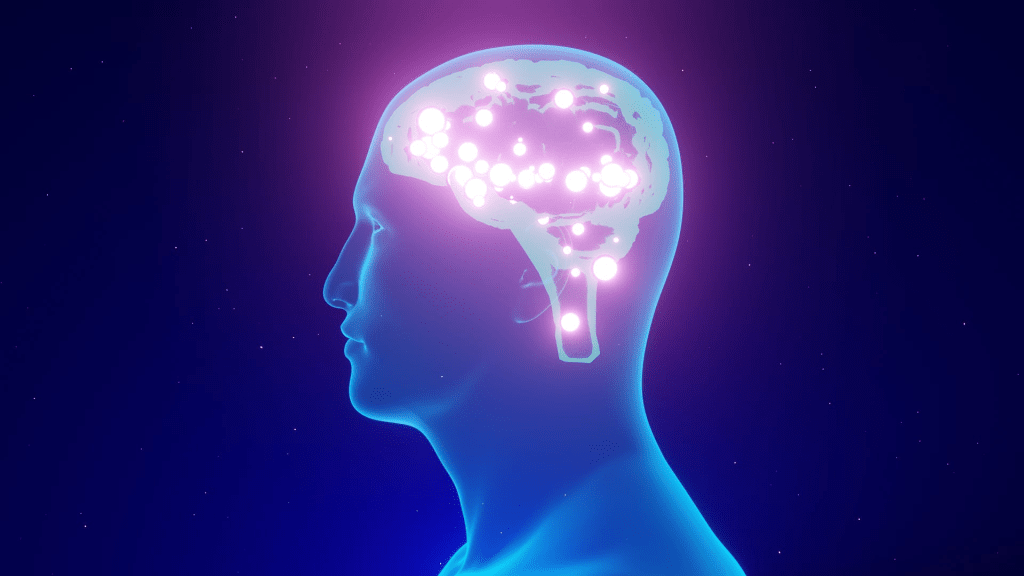
Organic mental disorders, also known as organic brain syndromes or organic brain diseases, are a group of cognitive and behavioral disorders characterized by abnormalities in brain structure or function. These disorders result from underlying medical conditions or factors that directly affect the brain’s organic functioning. In this article, we will explore the various causes and risk factors associated with organic mental disorders.
1. Infection:
Infections affecting the brain, such as meningitis, encephalitis, or brain abscesses, can lead to organic mental disorders. These infections may cause inflammation, tissue damage, and neurological deficits, resulting in cognitive impairment, behavioral changes, and other symptoms of organic brain syndrome.
2. Brain Injury:
Traumatic brain injury (TBI) is a significant risk factor for the development of organic mental disorders. Severe head trauma, concussions, or penetrating injuries can cause structural damage to the brain, disrupting neural pathways and cognitive function. Depending on the severity and location of the injury, individuals may experience memory problems, impaired judgment, personality changes, or other cognitive deficits.
3. Cardiovascular Disorders:
Cardiovascular disorders, such as stroke, ischemic heart disease, or hypertension, can increase the risk of organic mental disorders. Reduced blood flow to the brain, oxygen deprivation, or vascular damage can lead to cognitive decline, vascular dementia, or other forms of organic brain syndrome. Proper management of cardiovascular risk factors, including hypertension, diabetes, and high cholesterol, is essential in preventing cognitive impairment and brain-related complications.
4. Degenerative Disorders:
Degenerative disorders of the central nervous system, such as Alzheimer’s disease, Parkinson’s disease, or Huntington’s disease, are common causes of organic mental disorders. These progressive conditions involve the gradual deterioration of brain cells and neural networks, leading to cognitive decline, memory loss, motor dysfunction, and behavioral changes. Early diagnosis and intervention are crucial in managing symptoms and optimizing quality of life for individuals affected by degenerative brain diseases.
5. Dementia:
Dementia is a broad term used to describe a group of progressive cognitive disorders characterized by memory loss, impaired judgment, and declining cognitive function. Alzheimer’s disease is the most common cause of dementia, accounting for the majority of cases. Other types of dementia, such as vascular dementia, Lewy body dementia, or frontotemporal dementia, can also lead to organic mental disorders. Effective management of dementia involves comprehensive care, including medication, cognitive therapy, and support services for patients and caregivers.
6. Alcohol and Drug Abuse:
Substance abuse, including alcohol and drug addiction, can have profound effects on brain structure and function, leading to organic mental disorders. Prolonged substance abuse can cause neurochemical imbalances, neuronal damage, and cognitive impairment. Chronic alcoholism, in particular, is associated with conditions such as Wernicke-Korsakoff syndrome, characterized by memory loss, confusion, and other neurological symptoms.
Conclusion:
Organic mental disorders encompass a range of cognitive and behavioral abnormalities resulting from underlying medical conditions or factors that affect brain function. Understanding the causes and risk factors associated with these disorders is essential for early detection, diagnosis, and intervention. Proper management and treatment of underlying medical conditions, along with supportive care and rehabilitation, can help minimize the impact of organic mental disorders on individuals’ cognitive function, independence, and quality of life. Collaborative efforts between healthcare professionals, researchers, and community organizations are vital in raising awareness, promoting prevention, and improving outcomes for individuals affected by organic brain syndromes.




 Fit Mint Heath Blog
Leave a comment