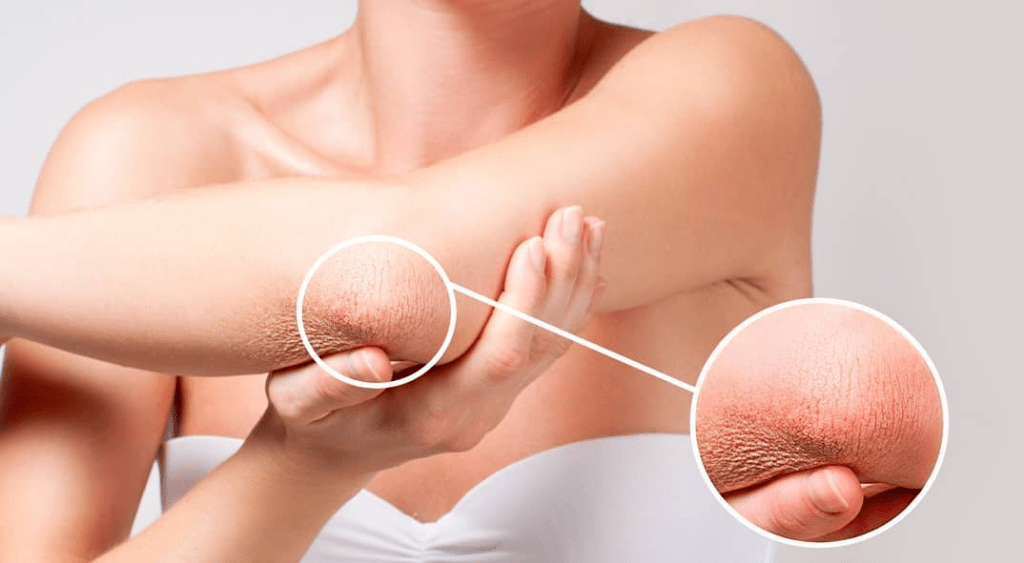
Skin problems encompass a wide range of conditions that affect the skin’s appearance, texture, and overall health. From acne and eczema to psoriasis and rosacea, these issues can vary in severity and impact individuals of all ages and skin types. In this comprehensive guide, we’ll explore the common causes, symptoms, and effective solutions for managing various skin problems.
Common Skin Problems:
- Acne: Acne is a common skin condition characterized by the presence of pimples, blackheads, whiteheads, and inflamed lesions on the face, chest, back, or other areas of the body. It often occurs due to clogged pores, excess oil production, bacteria, hormonal changes, or genetic factors.
- Eczema (Atopic Dermatitis): Eczema is a chronic inflammatory skin condition that causes red, itchy, and inflamed patches of skin. It can be triggered by factors such as genetics, environmental allergens, irritants, stress, or immune system dysfunction.
- Psoriasis: Psoriasis is an autoimmune skin disorder characterized by the rapid growth of skin cells, leading to thickened, red, and scaly patches known as plaques. It is often associated with genetic predisposition, immune system dysfunction, stress, infections, or certain medications.
- Rosacea: Rosacea is a chronic inflammatory skin condition that primarily affects the face, causing persistent redness, flushing, visible blood vessels, and sometimes papules or pustules resembling acne. Triggers for rosacea may include sun exposure, hot or spicy foods, alcohol, stress, or certain medications.
Symptoms of Skin Problems:
- Redness, inflammation, or irritation of the skin.
- Itchy, dry, or flaky patches.
- Painful or tender skin lesions.
- Excessive oiliness or sebum production.
- Breakouts of pimples, blackheads, or cysts.
- Thickened, scaly, or crusty areas of skin.
- Visible blood vessels or spider veins.
- Sensitivity to touch, heat, or certain substances.
Effective Solutions for Skin Problems:
- Establish a Skincare Routine: Cleanse, moisturize, and protect your skin daily with gentle, non-comedogenic skincare products suitable for your skin type.
- Avoid Triggers: Identify and avoid triggers that exacerbate your skin condition, such as certain foods, environmental allergens, stress, or harsh skincare products.
- Manage Stress: Practice stress-reduction techniques like meditation, yoga, deep breathing exercises, or mindfulness to minimize stress-related flare-ups.
- Stay Hydrated: Drink plenty of water to keep your skin hydrated and support its natural barrier function.
- Protect Your Skin: Use sunscreen with broad-spectrum SPF to shield your skin from UV radiation and prevent sun damage, premature aging, and exacerbation of skin conditions.
- Seek Professional Help: Consult a dermatologist or skincare specialist for personalized treatment options, including prescription medications, topical creams, oral medications, light therapy, or other advanced procedures tailored to your specific skin concerns.
Conclusion:
Skin problems can be challenging to manage, but with the right approach, it’s possible to alleviate symptoms, improve skin health, and enhance overall well-being. By understanding the underlying causes, identifying triggers, and adopting targeted skincare strategies, individuals can take proactive steps to address their skin concerns and achieve healthier, clearer, and more radiant skin. Remember to be patient, consistent, and proactive in your skincare routine, and don’t hesitate to seek professional guidance if needed. With proper care and attention, you can effectively manage your skin problems and enjoy the confidence that comes with healthy, beautiful skin.



 Fit Mint Heath Blog
Leave a comment