Hair fall, medically known as alopecia, is a common concern affecting people of all ages and genders. While it’s normal to lose some hair daily, excessive hair shedding or thinning can be distressing. In this comprehensive guide, we’ll explore the causes, symptoms, and effective remedies for addressing hair fall.
Causes of Hair Fall:
- Genetics: Family history plays a significant role in determining hair loss patterns.
- Hormonal Changes: Imbalances in hormones, such as during pregnancy, childbirth, menopause, or thyroid disorders, can contribute to hair fall.
- Nutritional Deficiencies: Inadequate intake of essential nutrients like iron, protein, and vitamins can lead to weak and brittle hair.
- Stress: Emotional or physical stress can disrupt the hair growth cycle, leading to increased shedding.
- Medical Conditions: Certain medical conditions like autoimmune diseases, scalp infections, or alopecia areata can cause hair loss.
- Environmental Factors: Exposure to pollutants, harsh chemicals, or extreme weather conditions can damage hair follicles.
Symptoms of Hair Fall:
- Increased hair shedding during showering or brushing.
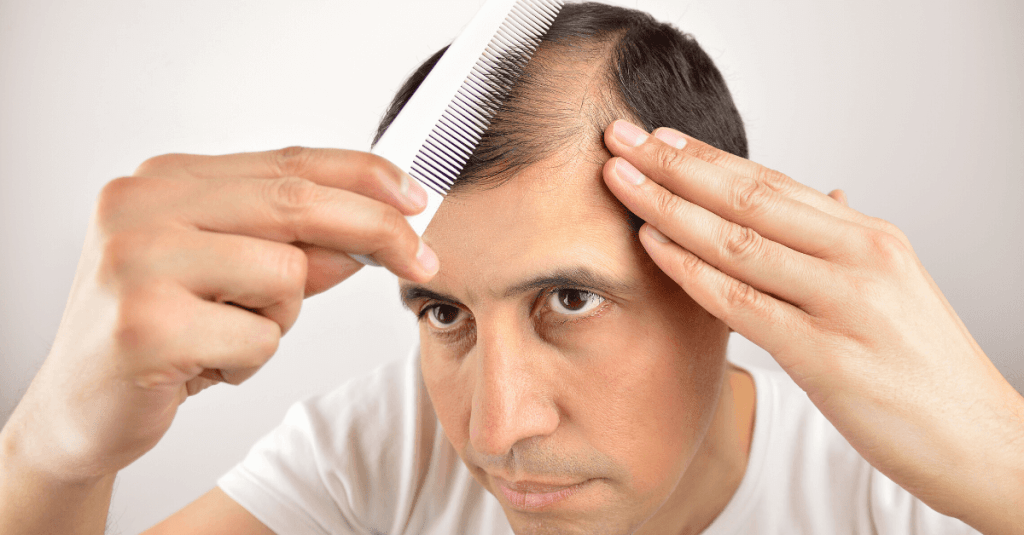
- Noticeable thinning of hair on the scalp or receding hairline.
- Bald patches or areas of hair loss.
- Itching, redness, or inflammation of the scalp.
- Changes in hair texture, such as dryness or brittleness.
Remedies for Hair Fall:
- Maintain a Balanced Diet: Ensure your diet includes foods rich in vitamins, minerals, and proteins essential for hair health, such as leafy greens, eggs, nuts, and fish.
- Scalp Massage: Regular scalp massage with essential oils like coconut oil or castor oil can improve blood circulation to the hair follicles and promote hair growth.
- Avoid Harsh Treatments: Limit the use of heat styling tools, chemical treatments, and tight hairstyles that can damage the hair shaft and weaken follicles.
- Practice Stress Management: Incorporate stress-reducing techniques like meditation, yoga, or deep breathing exercises to alleviate emotional and physical stressors that contribute to hair fall.
- Use Gentle Hair Care Products: Opt for mild shampoos and conditioners free of sulfates and parabens to avoid stripping natural oils from the scalp and hair.
- Medical Treatments: Consult a dermatologist or trichologist for medical treatments like minoxidil, finasteride, or steroid injections for more severe cases of hair loss.
- Stay Hydrated: Drink plenty of water to keep the scalp and hair hydrated, promoting healthy growth and preventing dryness.
- Protect Hair from Environmental Damage: Wear a hat or scarf to shield hair from UV rays and environmental pollutants when outdoors.
Conclusion:
Hair fall can be a distressing issue, but with the right approach, it’s often manageable and reversible. By addressing underlying causes, adopting healthy lifestyle habits, and incorporating targeted remedies, individuals can promote hair growth, strengthen follicles, and maintain a healthy scalp. Remember to be patient and consistent in your efforts, and consult a healthcare professional for personalized advice and treatment options if needed. With proper care and attention, you can achieve healthier, fuller-looking hair and regain confidence in your appearance.
 Fit Mint Heath Blog
Leave a comment